Comprehensive Kilimanjaro gear checklist based on Dyna Kilimanjaro Safari's safety standards. Understand weight limits, the 4-layer system, boots, and rental options.
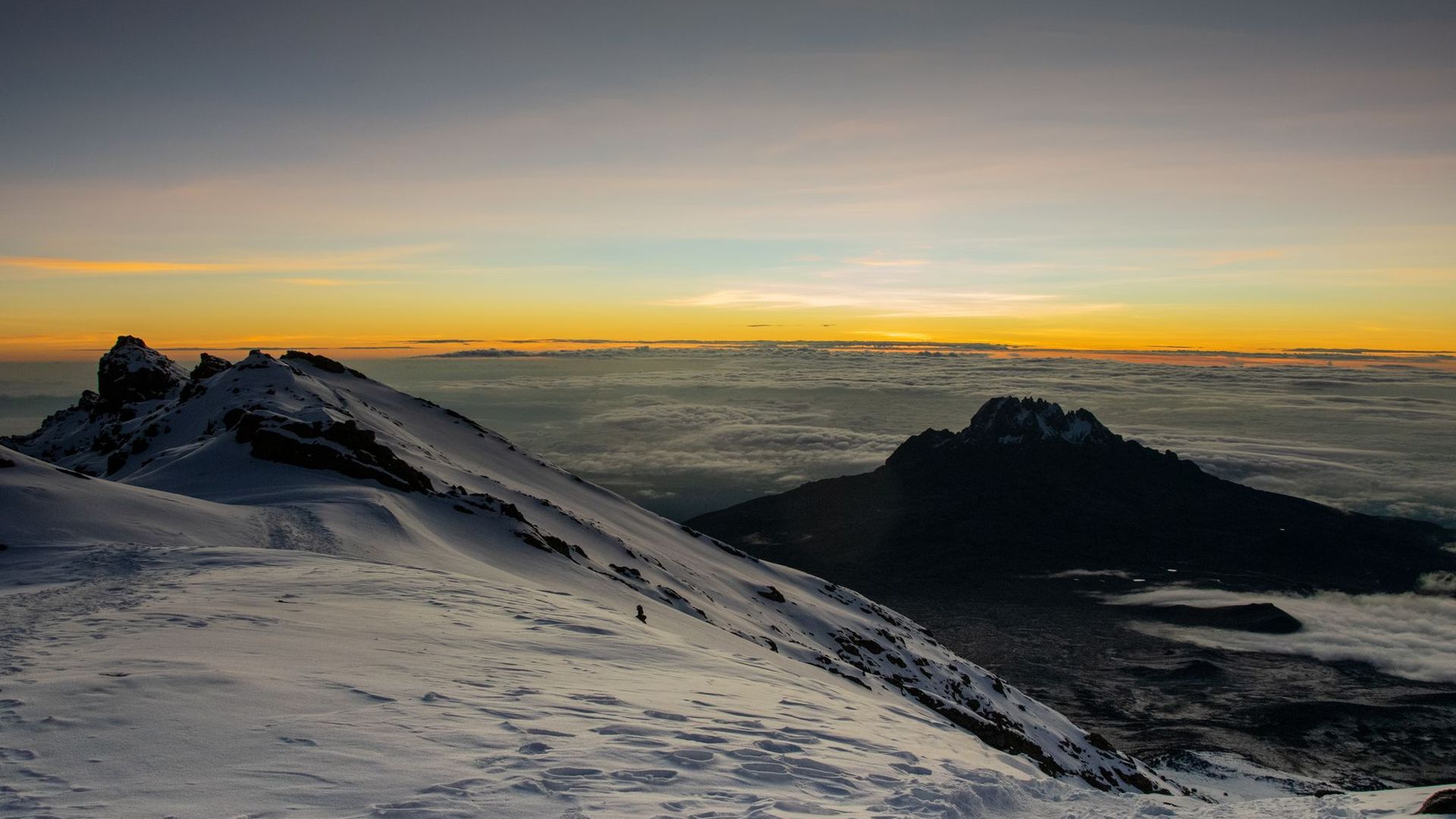
Packing properly is the single most important physical preparation you can make for a Mount Kilimanjaro climb. As you ascend from the tropical foothills to Uhuru Peak at 5,895 meters (19,341 feet), you traverse 5 distinct ecological zones — starting in warm, humid rainforest and finishing in sub-zero arctic conditions where summit temperatures plunge between -10°C and -20°C with biting gale winds.
Mandatory Porter Weight Limitation Rule
Under TANAPA national park regulations and ethical KPAP welfare standards, your main duffel bag carried by porters must weigh NO MORE than 15 kg (33 lbs). Your personal daypack (carried by you) should weigh between 6 kg and 8 kg.
1. The Two-Bag System: You will need a sturdy 80L–90L water-resistant duffel bag for your main gear, which our porters pack inside waterproof outer sacks. In addition, you need an ergonomic 30L–35L daypack with an integrated rain cover to carry your daily water (3 to 4 liters), warm fleece, high-SPF 50+ sunscreen, headlamp, and snacks during the trek.
2. The 4-Layer Clothing System: Dressing for Kilimanjaro relies on strategic layering rather than heavy single garments. Layer 1 is your moisture-wicking synthetic or merino wool thermal underwear. Layer 2 is an insulating mid-layer (fleece jacket or lightweight down sweater). Layer 3 is an expedition-grade down jacket with a -10°C to -15°C rating. Layer 4 is your waterproof, windproof breathable outer shell jacket and rain trousers (Gore-Tex or equivalent).
3. Footwear Essentials: Your hiking boots must be high-cut with sturdy ankle support, waterproof, and thoroughly broken in 4–6 weeks before arriving in Tanzania to prevent blisters. Pack 4 to 5 pairs of thermal merino wool trekking socks, a pair of lightweight camp trainers or sandals for the evenings, and gaiters to keep scree and volcanic dust out of your boots.
4. Headwear, Gloves & Accessories: Summit night begins around 12:00 AM midnight in freezing temperatures. You must have a Category 3 or 4 UV-rated pair of sunglasses, a windproof thermal beanie, a fleece neck gaiter or balaclava, lightweight liner gloves, and heavy waterproof summit mittens. Crucially, pack a reliable 300+ lumen headlamp with extra lithium batteries, as alkaline batteries drain rapidly in sub-zero temperatures.
5. High-Grade Rental Gear in Moshi: You do not need to spend thousands purchasing specialized expedition gear you may only use once. Dyna Kilimanjaro Safari maintains a professional gear rental shop in Moshi, offering high-grade -20°C four-season down sleeping bags, insulated summit parkas, adjustable trekking poles, waterproof pants, and duffel bags at transparent, budget-friendly daily rental rates.
Frequently Asked Questions
What is the maximum weight for my porter duffel bag?
Strictly 15 kilograms (33 lbs). All bags are weighed with digital scales at the national park gate before entry to ensure ethical porter treatment.
Can I rent a sleeping bag and poles in Moshi?
Yes! Four-season -20°C sleeping bags, aluminum trekking poles, down coats, and gaiters are readily available for rent at our Moshi gear briefing.
Do I need microspikes or crampons for the summit?
During snowy summit weeks near the crater rim, microspikes are beneficial. Your guide will examine current summit conditions during your gear briefing in Moshi.
Questions About This Route?
Our local Moshi mountain & safari team is available 24/7 to answer your gear, route, and booking questions.