A month-by-month guide to tracking over 1.5 million wildebeest and zebras through the Serengeti, from southern Ndutu calving to northern Mara River crossings.
The Great Wildebeest Migration is the largest terrestrial mammal movement on planet Earth. Over 1.5 million blue wildebeest, 250,000 zebras, and hundreds of thousands of gazelles constantly circulate in an endless 800-kilometer clockwise cycle between Tanzania's Serengeti and Kenya's Masai Mara.
1. January to March (Southern Serengeti & Ndutu Calving): The herds congregate on the nutrient-rich volcanic short-grass plains of Ndutu. In February, an estimated 8,000 wildebeest calves are born each day, triggering intense predator activity from cheetah coalitions, lion prides, and spotted hyenas.
2. April to June (Western Corridor & Grumeti River): As dry winds begin, the herds march northwest toward the Western Corridor. By June, thousands face their first deadly obstacle: the Grumeti River, famous for prehistoric 18-foot Nile crocodiles lying in wait.
3. July to October (Northern Serengeti & Mara River Crossings): The climax of the migration occurs in northern Kogatende. Tens of thousands of animals amass on rocky riverbanks before leaping into plunging rapids amid snapping crocodiles and torrential currents. This is the premier spectacle of African wildlife.
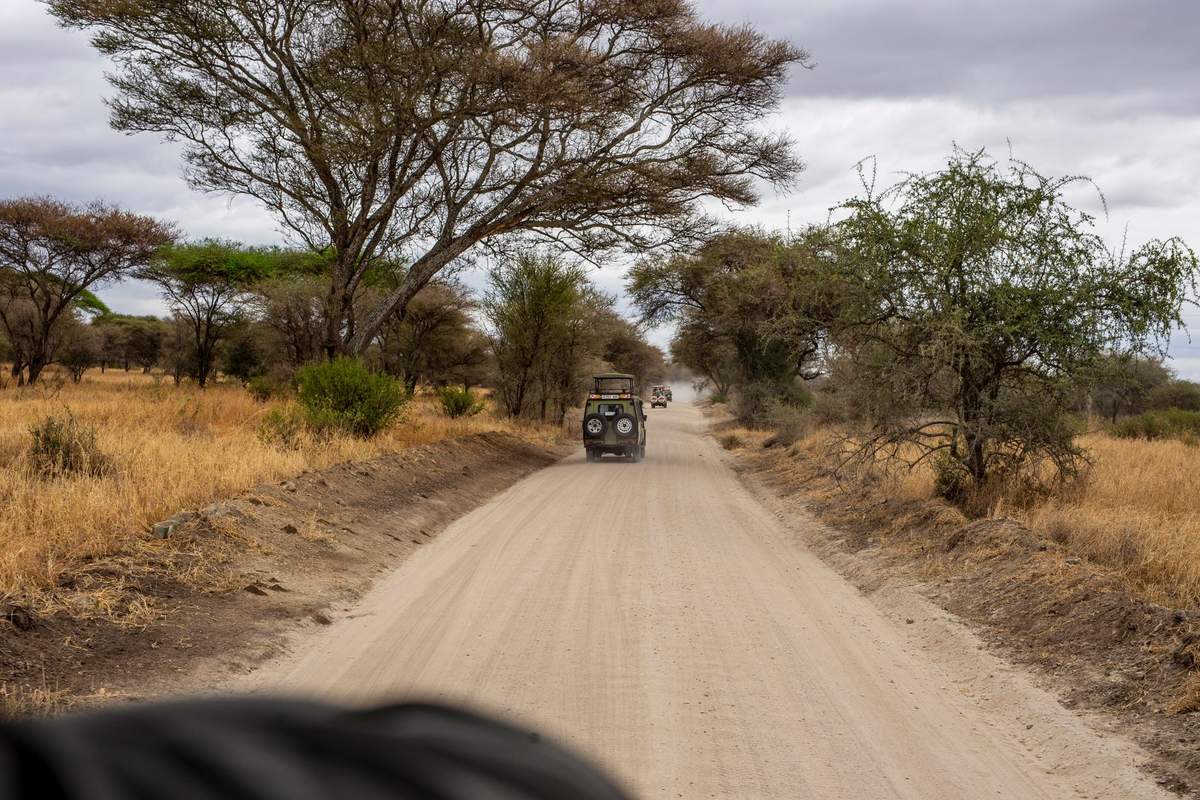
4. November to December (Central Seronera): The short rains draw the surviving herds south through Central Serengeti (Seronera), filling the acacia savannas with dense game before the cycle restarts on the southern plains.
Frequently Asked Questions
When is the best time to see the Mara River crossings?
Mid-July through early October in the northern Serengeti (Kogatende) is the prime period for dramatic Mara river crossings.
When can we see newborn calves?
Late January through early March in the Ndutu and Southern Serengeti plains.
Questions About This Route?
Our local Moshi mountain & safari team is available 24/7 to answer your gear, route, and booking questions.